11.12.25
Written by Haik Kazarian, Head of Business Development
Reviewed by Tigran Rostomyan, Compliance Expert
AI-Assisted Transaction Monitoring in 2026: What FINTRAC Will Expect From MSBs and FinTechs
Canadian regulators are becoming sharper and more data-driven in how they evaluate compliance programs. For MSBs and fintechs, that means AI tools used in transaction monitoring are now fair game for scrutiny, and not just in terms of what they do, but how they’re designed, governed, and reviewed.

With FINTRAC expanding its definition of suspicious activity to include sanctions evasion and the FATF emphasizing AI governance and effectiveness, we are witnessing the beginning of a supervisory shift that compliance teams cannot afford to ignore.
Today we break down what FINTRAC will likely expect from Canadian reporting entities using automated or AI-supported monitoring in 2026 and how to get ahead of those expectations now.
Rising Priority: AI, Sanctions Evasion, and Performance Expectations
Filing STRs is a legal obligation. Filing useful ones, on time, and with the right context is becoming the new standard. Since 2024, that includes reports on transactions suspected of violating Canadian sanctions. These cases often involve cross-border transfers, new typologies, or obfuscated fund flows; patterns that legacy rule sets may not flag on their own.
At the same time, FINTRAC is deploying AI internally to sort through growing STR volumes. Their investment in digital supervision is a signal that they expect the private sector to use technology responsibly and be able to explain its outputs.
With Canada’s FATF mutual evaluation approaching, regulators will also be under pressure to demonstrate that the financial system can detect and respond to high-risk activity. That puts monitoring performance, especially for AI-enabled platforms, squarely on the agenda for 2026.
What FINTRAC Already Requires (Applies to Everyone)
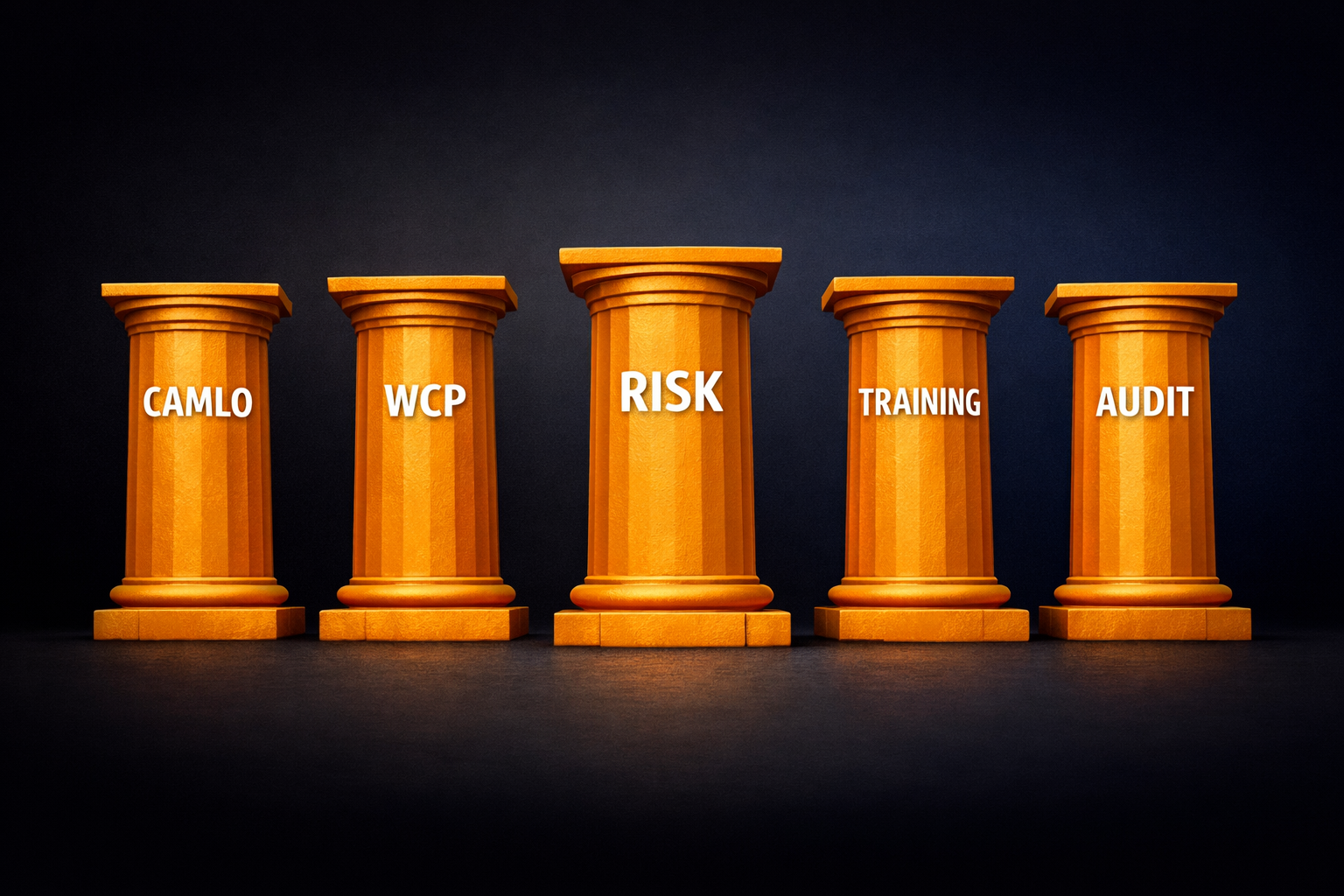
The rules haven’t changed, but how they’re interpreted in exams has. Under the PCMLTFA, reporting entities must maintain a compliance program that includes:
-
A named compliance officer with clear responsibility
-
A documented risk assessment and written compliance program
-
Ongoing monitoring (not just reactive reporting)
-
Ongoing Training
-
A biennial effectiveness review / audit
If your AI tool helps you monitor transactions, it becomes part of the compliance program and must be tested, reviewed, and documented accordingly.
Where Expectations Are Headed (What to Prepare for in 2026)
Even without AI-specific rules, the following themes are already showing up in examinations and sector guidance. Expect them to be standard by 2026.
1. Transparency and Explainability
Be ready to walk through how your system identifies risk. FINTRAC doesn’t require technical detail, but they’ll expect plain-language descriptions of alert logic, scoring thresholds, and risk indicators used.
2. Validation and Testing
Effectiveness reviews are legally required. If your monitoring system includes AI, it must be part of that scope. Examiners may ask for evidence that you:
-
Tune thresholds based on actual transaction behaviour
-
Monitor alert-to-STR conversion rates
-
Evaluate false positives and coverage gaps
3. Governance and Accountability
Tools don’t govern themselves. Expect questions about who owns tuning decisions, who reviews model updates, and how those responsibilities are assigned within the organization.
4. Data Lineage and Integrity
If your system uses transaction history or customer data to generate scores, keep clear records of data flows, input fields, and version changes. That’s already required for STR defensibility.
5. Analyst Review
Even with automation, human judgment is still required. Your AI can assist, but not replace the analyst responsible for determining whether a transaction meets the threshold for suspicion.
6. Coverage of Risk Scenarios
Regulators may want to know if your system can flag:
-
Structuring across multiple small EFTs
-
Funds moving through intermediaries tied to sanctioned jurisdictions
-
Spikes in new customer transactions with limited KYC history
What’s Optional vs. What’s Now Expected
|
Feature / Practice |
2025 Status |
2026 Expectation |
Comment |
|
AI-based monitoring |
Optional |
Increasingly common |
No legal mandate, but fast becoming best practice |
|
Documented model governance |
Best practice |
Expected |
CAMLO responsibility applies to models too |
|
Explainability of alerts |
Advised |
Mandatory for audits |
Needed to defend STR thresholds and triggers |
|
Data lineage documentation |
Rare |
Necessary |
Auditors will likely request input-output traceability |
|
Effectiveness review of AI tools |
Uncommon |
Must be included in testing |
Falls under existing review requirement |
Bottom Line
By 2026, FINTRAC examiners will be less concerned with what software you're using and more interested in whether it’s producing useful results. If AI is part of your AML program, it must:
-
Generate alerts that reflect your actual risk profile
-
Be explainable to a non-technical examiner
-
Fall within your effectiveness testing cycle
-
Document how decisions are made and who’s accountable
MSBs and fintechs using automation should ensure their oversight keeps pace with their tools. Get this right, and AI becomes a compliance enabler, not an exam liability.
Related Reads
-
FINTRAC's New AMP Regime in 2025: Record Penalties and Higher Stakes
-
Navigating FINTRAC Exams: How to Build, Test and Defend Your AML Program
Need help preparing your AI monitoring for 2026 audits or effectiveness reviews? AML Incubator offers independent validation, model governance advisory, and STR effectiveness testing. Contact us to learn more.